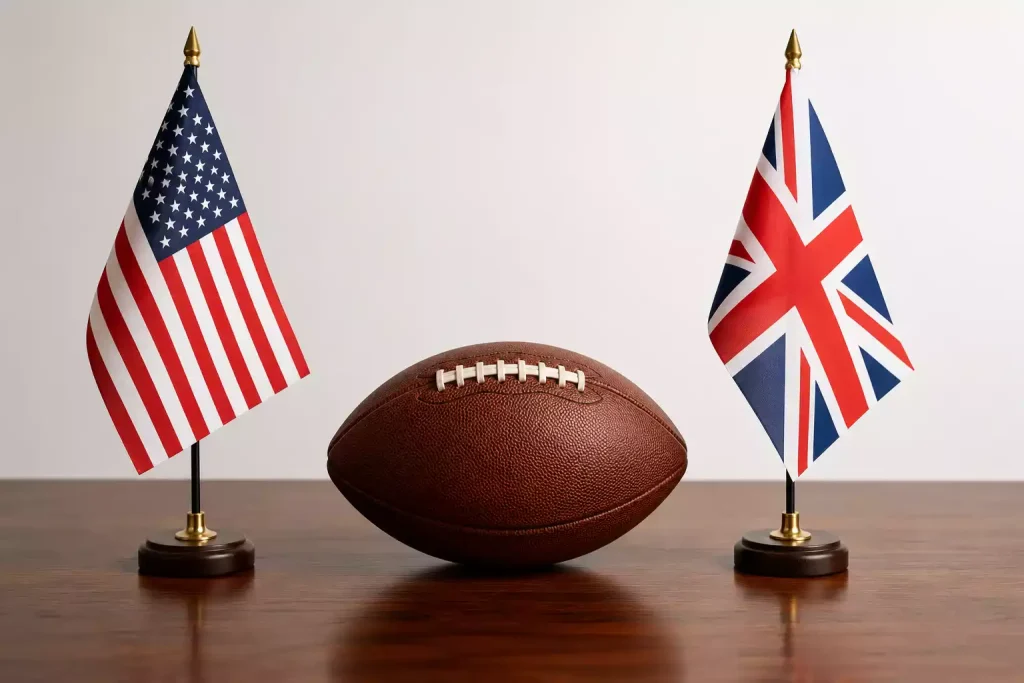
NFL Odds Comparison in the UK: How to Find the Best Price Every Week
 Available in US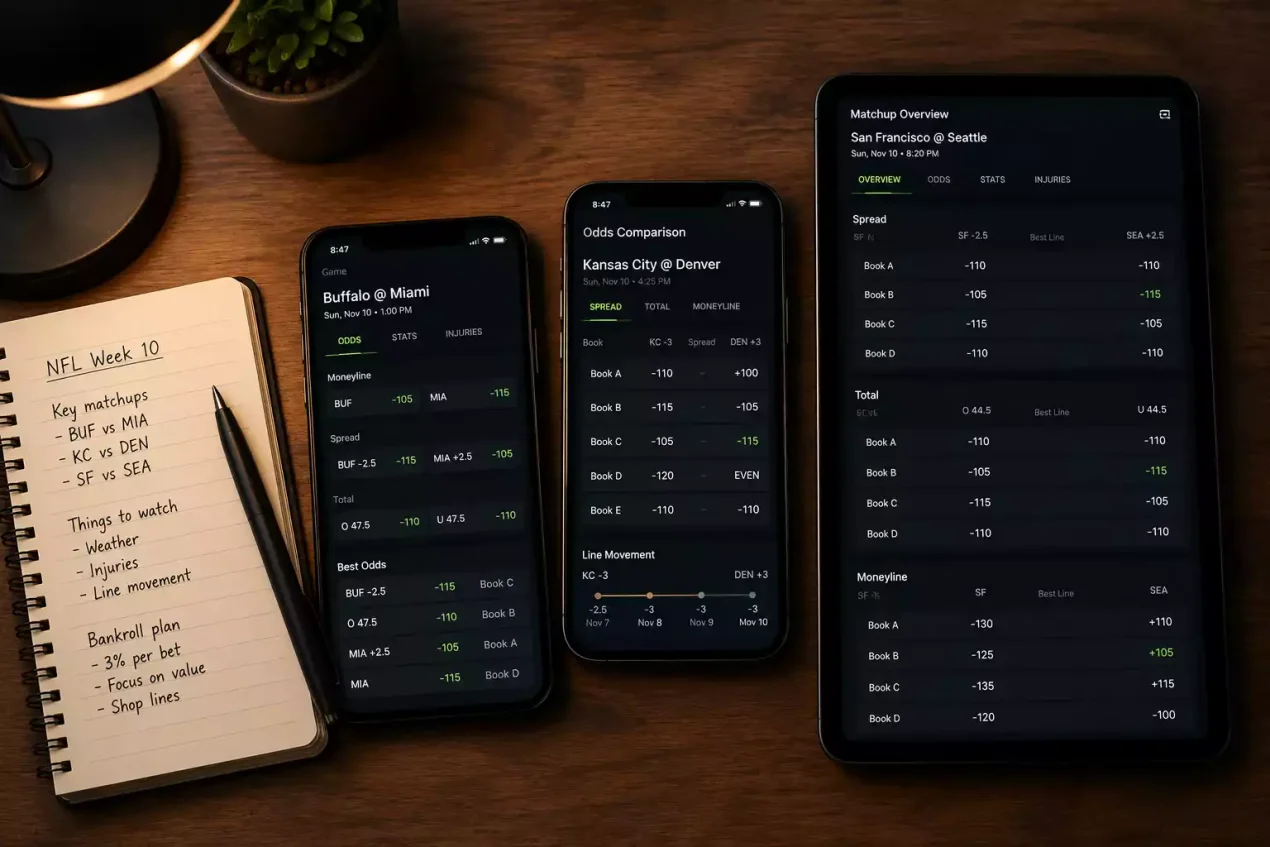
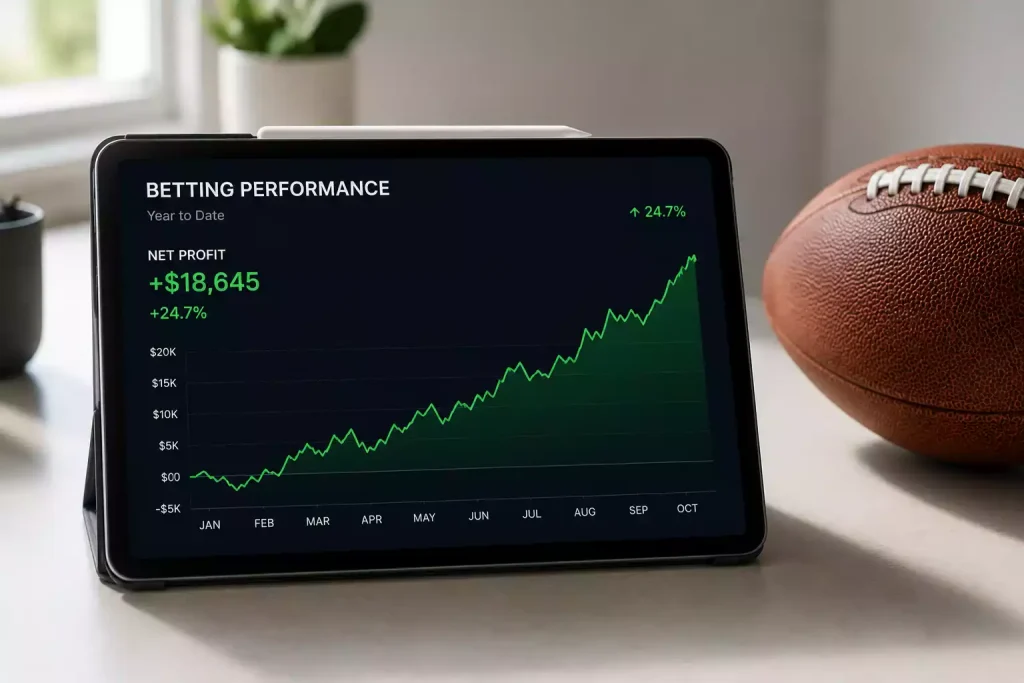
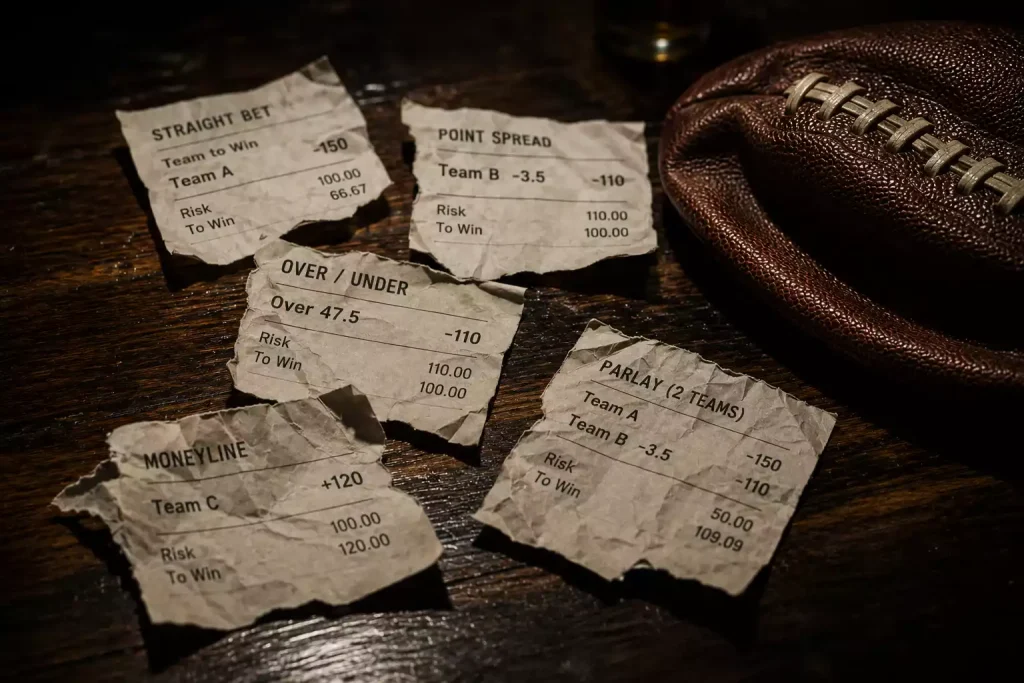
A couple of seasons ago I tracked every NFL spread bet I placed over a full 18-week slate. At the end of the year I went back and checked what each bet would have returned at the three other sportsbooks I had accounts with. The difference was not dramatic on any single wager — a tenth of a point here, a slightly better fractional price there. But across 140 bets, I had left over 4% of potential profit on the table simply by not shopping the line. That is four weeks of edge erased by laziness.
NFL odds comparison is the single lowest-effort, highest-return habit a UK punter can build. You do not need advanced analytics, insider information, or a bigger bankroll. You just need to look at more than one price before you click “Place Bet”. Here is how the process works, why NFL odds diverge more than you might expect, and what that divergence means for your bottom line over a season.
Why NFL Odds Differ Between UK Bookmakers
I used to assume that all UK sportsbooks pulled their NFL lines from the same source — the overnight numbers set in Las Vegas — and that any differences were rounding errors. That assumption cost me money for years.
In reality, UK bookmakers set NFL prices through a combination of wholesale odds feeds, in-house trading adjustments, and liability management. William Hill and Bet365 alone captured more than 50% of click share across UK sports betting search queries in early 2026, which means they handle the lion’s share of NFL volume and can afford tighter margins on popular markets. Smaller operators with less NFL exposure often shade their lines wider or lean more heavily on wholesale feeds without adjustment, creating pockets of value that the majors do not offer.
There are three main reasons odds differ between bookmakers on the same NFL game. First, each operator balances its own book independently. If one sportsbook has taken heavy action on the Bills moneyline, it will adjust the Bills price to manage liability — but a rival that has seen balanced action on the same game has no reason to move. Second, operators update their NFL lines on different schedules. Some react to injury news within minutes; others take an hour or longer, especially on Sunday mornings before early kickoffs. Third, the margin — the overround baked into the price — varies by operator and by market. A sportsbook might run a 4% overround on NFL match winner but 7% on player props, while a competitor inverts those margins entirely.
The net effect: on any given NFL Sunday, you can find meaningful price differences on spreads, totals, and especially player props across UK-licensed sportsbooks. Not always, and not on every game — but consistently enough that checking two or three prices before betting is worth the 30 seconds it takes.
How to Compare NFL Odds: Manual vs Odds-Checker Tools
There are two ways to compare NFL odds, and I use both depending on the situation.
The manual method is straightforward: open two or three sportsbook apps side by side and compare the price on your chosen selection. For a simple Sunday moneyline or spread bet, this takes under a minute. I keep three apps on my phone’s home screen specifically for this purpose. The advantage of manual comparison is that you see the full context — not just the headline price but also the available markets, cash out terms, and any acca boost that might apply. The downside is that it does not scale. If you want to compare prices across eight games and three bet types each, you are looking at dozens of individual checks.
Odds-checker tools automate the process. Several UK-based comparison sites aggregate NFL prices from major bookmakers and display them in a grid format, sorted by best available price. These tools are most useful for pre-game markets on standard bet types: spreads, moneylines, and game totals. They are less reliable for player props and in-play markets, where prices update too quickly for a third-party aggregator to keep pace. I treat odds-checker sites as a starting point, not a definitive source — they save time on the initial scan, but I always confirm the price at the sportsbook itself before placing the bet.
One approach I have found effective: use an odds-checker tool to identify which sportsbook consistently offers the best NFL spread prices, then make that your default for spread bets. Do the same for totals and moneylines. You might end up spreading your action across three different operators, each one best-in-class for a specific bet type. It is a small amount of organisational overhead that pays for itself quickly.
How Even Small Odds Differences Compound Over a Season
The maths of line shopping is not complicated, but the cumulative effect surprises most punters when they see it laid out. The UK sports betting market generates roughly GBP 2.48 billion in annual gross gambling yield. A meaningful slice of that represents value left on the table by punters who accept the first price they see.
Here is a concrete example. Suppose you place one NFL bet per week at a flat GBP 20 stake across an 18-week season, plus three playoff bets and the Super Bowl. That is 22 bets. If line shopping improves your average odds by just 0.05 in decimal terms — say, getting 1.95 instead of 1.90 on an evens-ish bet — your expected return on winning bets increases by roughly 2.6% per bet. On 22 bets at GBP 20 with a 52% strike rate (a realistic target for a disciplined spread bettor), that difference works out to about GBP 12-15 over the season. Not life-changing, but it is free money.
Scale those numbers up. A punter placing GBP 50 per bet, three bets per week, across a full season is looking at 50+ bets. The same 0.05 decimal improvement now recovers GBP 40-60 — enough to fund two or three additional bets at no extra cost. Over multiple seasons, the compound effect accelerates because those extra bets also benefit from better prices.
The compounding works in reverse too. Consistently taking the worst available price is a silent tax on your bankroll. You will not feel it on any individual bet, but by February you will wonder why your results look worse than your analysis suggested they should. Often the answer is not bad picks; it is bad prices.
The punters who sustain an edge in NFL betting over multiple years are rarely the ones with the cleverest models. They are the ones who do the boring things right: tracking results, managing bankroll, and shopping the line on every single bet. Odds comparison is the most accessible of those habits, and the one that requires the least skill to implement. If you are placing NFL bets from the UK and you are not checking at least two prices, you are paying a premium for convenience that costs more than you think.
The Price Check That Pays for Itself
I still run that end-of-season audit every February, comparing what I paid against what I could have got. The gap has narrowed over the years as I have made line shopping a reflex rather than a chore, but it has never closed entirely. There is always at least one bet per month where I got lazy and accepted a suboptimal price. The difference is that now I know exactly what that laziness costs me, and it is the best motivator I have found to keep checking. If you want to go deeper on how moneyline pricing works at UK bookmakers, that context will help you spot where the biggest price gaps tend to appear.
How much difference can line shopping make over an NFL season?
For a punter placing one bet per week at a GBP 20 stake, consistently finding odds just 0.05 better in decimal format can recover GBP 12-15 over an 18-week season plus playoffs. At higher stakes or more frequent betting, the saving scales proportionally. The key is consistency — checking multiple prices on every bet, not just occasionally.
Do UK odds comparison sites cover all NFL markets or only match winners?
Most UK odds-checker tools cover the main NFL markets: match winner (moneyline), point spread, and game totals. Coverage of player props, team totals, and alternative lines is less consistent and often limited to major games or playoff fixtures. For niche NFL markets, manual comparison across two or three sportsbook apps remains the most reliable method.
This material was created by the GridPunt team.
Related posts
NFL Betting Market Outlook for UK Punters: Trends Shaping 2026 and Beyond
NFL Betting Mistakes to Avoid: Errors That Cost UK Punters Money